HME Drive Thru in Saudi Arabia: The 2026 Speed and Accuracy Guide
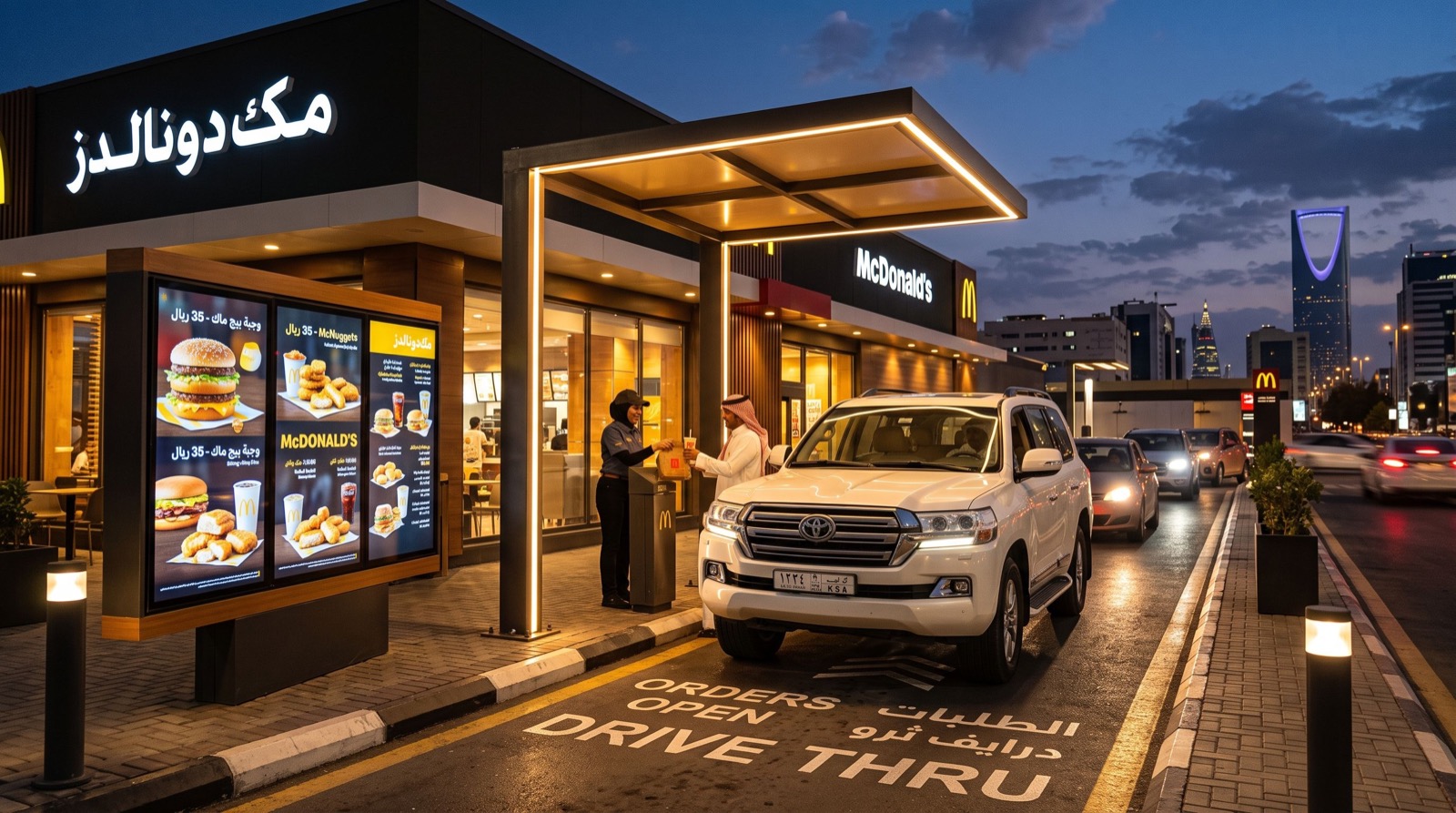
Every second counts at the pickup window, and a well-tuned HME drive thru in Saudi Arabia is how the Kingdom’s busiest restaurants turn long lines into fast, accurate service. As quick-service brands expand across Riyadh, Jeddah, and the new tourism corridors, drive-thru performance has become a make-or-break metric. This 2026 guide explains how the technology works, why crew headsets matter as much as timers, and how to cut your service time without sacrificing order accuracy.
We have worked alongside restaurant operators tuning their lanes, so the recommendations here reflect what actually shortens the queue on a real Friday-night rush.
Why an HME drive thru in Saudi Arabia pays off fast
Saudi Arabia’s dining scene is booming, and drive-thru is the channel customers reach for when they are short on time. A modern system measures every stage — menu board, order, payment, pickup — and shows managers exactly where cars pile up. You cannot improve what you cannot see, and these systems make every delay visible.
The payoff is concrete. Industry benchmarking in the long-running QSR drive-thru performance study consistently links shorter, more predictable service times with higher revenue per lane. Trimming even 20 seconds off the average visit can add a meaningful number of cars served during each peak hour.
That is why so many quick-service operators now invest in a dedicated HME drive thru in saudi arabia setup rather than a patchwork of mismatched timers and radios. A single integrated system measures every stage consistently, so your improvement numbers are trustworthy and your crew works from one source of truth.
What the system measures
- Total service time from arrival to departure.
- Greet time — how fast a crew member responds at the speaker.
- Lane detection with vehicle sensors at each stage.
- Order accuracy trends linked to clear audio.
- Goal alerts that flag cars exceeding your target time.
Timers alone are not enough: the audio layer
Here is the lesson many operators learn the hard way: a timer tells you the car is slow, but crisp two-way audio is what keeps it fast. If the crew cannot hear the customer clearly over kitchen noise, orders get repeated, mistakes creep in, and the whole lane stalls.
That is why premium crew headsets matter. A noise-cancelling model such as the Addasound Epic 301 keeps voices clear in a loud kitchen, so orders are captured right the first time. Clean audio is the quiet hero of every fast lane.
When you combine accurate timing data with reliable headsets, the gains compound. Operators who invest in both typically see order accuracy and speed improve together, rather than trading one for the other.
Choosing the right HME drive thru in Saudi Arabia setup
Not every restaurant needs the same configuration. A single-lane neighborhood branch has different needs from a dual-lane highway flagship. Use the comparison below to scope your build before requesting quotes.
| Lane type | Peak cars/hour | Recommended setup | Audio priority |
|---|---|---|---|
| Single lane | 40–80 | Timer + base station + 4 headsets | Noise-cancelling essential |
| Dual lane | 80–140 | Dual timers + lane merge logic | Clear channel separation |
| High-volume flagship | 140+ | Full analytics + goal alerts | Premium headsets, spares |
| Compact / express | 30–60 | Entry timer + 2 headsets | Comfort for long shifts |
A practical rollout plan
- Record a one-week baseline of your current service times.
- Install lane sensors, the base station, and crew headsets.
- Set realistic time goals per daypart, not a single flat target.
- Train crew on greet-time discipline and clear order repeat-back.
- Review the dashboard daily for the first month, then weekly.
Reliability, support, and spares
A drive-thru never sleeps, so hardware must be rugged and support must be local. The equipment ecosystem built by manufacturers like HME is designed for continuous duty, but even the best gear needs a spares plan. Keep a charged backup headset per shift and a tested replacement battery rotation.
Choose an installer carefully. Partnering with trusted professionals who understand both the audio hardware and the timing analytics means your lane gets tuned as one system, not two disconnected gadgets.
One field-tested tip: audit your greet time first. It is the cheapest metric to fix — often just a staffing and habit change — and it sets the tone for the entire visit. Shave your greet time and the rest of the lane usually follows.
Training crew for a faster lane
The best equipment still needs disciplined people behind it. Greet time, order repeat-back, and smooth handoffs between positions are habits, not features — and they are learned. A short daily huddle reviewing yesterday’s numbers keeps the whole crew focused on the same target.
Position matters too. Assign a dedicated order-taker during peak dayparts so one person owns greet time while others handle payment and pickup. Clear audio makes this hand-off seamless; a crackly headset breaks it. This is why operators treat headsets as a core performance tool rather than an accessory.
Daypart goals that actually work
- Breakfast rush: prioritize greet time; simple orders move fast.
- Lunch peak: balance speed with accuracy on larger orders.
- Evening family visits: expect complex orders; staff the window.
- Late night: leaner crew, so clear audio matters even more.
Maintenance that protects your uptime
A drive-thru that goes silent loses money by the minute. Build a simple maintenance rhythm: inspect headset ear pads and microphones weekly, rotate batteries on a labeled schedule, and keep the base station firmware current. Store a fully charged spare headset per shift so a dead unit never stalls the lane.
Document a quick troubleshooting card for the crew — what to check before escalating to support. Most audio dropouts trace back to a flat battery or a loose mic boom, both fixable in seconds once staff know where to look. That small habit keeps your average service time honest during the busiest hours.
Frequently Asked Questions
How much faster can an HME drive thru in Saudi Arabia make my lane?
Results vary by starting point, but operators who combine accurate timers with clear crew audio often trim 15–30 seconds off average service time within the first month, mostly by fixing greet time and order repeats.
Why do headsets matter so much for drive-thru speed?
If the crew cannot hear the customer clearly, orders get repeated and mistakes rise, which stalls the lane. Noise-cancelling headsets keep audio crisp in a loud kitchen, so orders are right the first time.
Can the system handle a dual-lane layout?
Yes. Dual-lane setups use separate timers and merge logic so each lane is measured independently and cars are sequenced fairly at the pickup window.
How many headsets should each restaurant stock?
Plan for one per active crew position plus at least one charged spare per shift. A battery rotation keeps every headset ready during back-to-back peaks.
Conclusion
A smart HME drive thru in Saudi Arabia wins on two fronts in 2026: precise timing data and crystal-clear crew audio. Measure a real baseline, invest in rugged noise-cancelling headsets, set goals by daypart, and lean on experienced installers who tune the whole lane as one system. Start by auditing your greet time this week, then request a tailored demo to see how many more cars your lane can serve.